


Shock is a state of metabolic and hemodynamic disturbances are very heavy yan marked by the failure of the circulatory system to maintain adequate organ perfusion. This condition can be caused by a blood volume inadequate (hypovolaemic shock), inadequate cardiac function (cardiogenic shock) or inadequate vasomotor tone (neurogenic shock and septic).
Causes of shock include:
• The inability of the heart to pump enough blood to the organs.
• lost a lot of blood: So the amount of blood flow is not sufficient.
• dilatation (development) excessive blood vessels.
In a state of shock organs will be starved of oxygen. Organ oxygen deficiency will not give symptoms and signs as follows:
• Thirst
• Weak
• Dizziness spin
• Nervous, scared
• Pernapafasan rapid and shallow (the lungs)
• Rapid and weak Nadi (heart)
• Skin is pale, cold and damp (skin)
• Front looked pale and bluish on the lips, tongue and ear as well (skin).
• Pupil dilation / widening (eye).
• Nausea vomiting.
Based etiloginya the shock of some kind are classified as follows: Hypovolaemic Shock, Cardiogenic Shock, and Shock Distributive
Hypovolaemic shock
Definition
Hypovolaemic shock is the type most common shock characterized by decrease in intravascular volume. Body fluids contained in the intracellular and extracellular compartments. Intracellular fluid occupies nearly 2 / 3 of total body water and the extracellular body fluids found in one intavaskular and interstitial compartment. Interstitial fluid volume is approximately 3-4x of intravascular fluid. Hypovolaemic shock occurs when decline in volume intavaskuler 15% to 25%. This will describe the loss of 750 ml to 1300 ml in men with body weight 70 kg.
Aetiology
The conditions that put patients at risk of hypovolaemic shock are (1) loss of external fluids such as: trauma, surgery, vomiting, diarrhea, diuresis, (2) displacement of internal fluids such as: internal and hemoragi burns
Management
The main goal in dealing with hypovolaemic shock is (1) restore intravascular volume to reverse the order of events that do not lead to tissue perfusion is not adequate. (2) redistribute the volume of liquid, and (3) fix the underlying causes of fluid loss as soon as possible.
ü Treatment of underlying causes.
If the patient is experiencing hemoragi, attempts were made to stop the bleeding. Includes installation of pressure on the bleeding or may need surgery to stop internal bleeding.
ü Replacement Fluids and Blood
Installation of two intra-venous lines with large kjarum installed to make access to intra-venous fluids. Meaning allow for simultaneous fluid therapy and blood components if necessary.
For example: Ringer's lactate and 0.9% Sodium clorida, Colloid (albumin and dextran 6%).
ü redistribution of fluid
Giving the modified trendelenberg position by elevating the legs of patients, about 20 degrees, knees aligned, trunchus horizontal and head slightly raised. The goal, to increase the flow through the veins that are influenced by gayagravitasi.
ü medication therapy
Medication will be prescribed to overcome dehidarasi if the underlying cause is dehydration. For example, insulin will be given to patients with dehydration secondary to hyperglycemia, desmopresin (DDVP) for diabetes insipidus, anti-diarrhea preparations for diarrhea and anti-emetic to vomit.
ü Military syoc anti trousersn (MAST)
Pkain go round that is designed to correct internal bleeding and hypovolaemia by providing back pressure around the legs and abdomen. This tool creates artificial peripheral resistance and helps keep perfusion Coroner.
SYOK cardiogenic
Definition
Cardiogenic shock caused by the failure of heart pump function leading to cardiac output is reduced or stopped altogether.
Aetiology
Causes of cardiogenic shock has the aetiology of coronary and non coronary. Coronary, myocardium caused by infarction, while non-coronary cardiomyopathy caused by, valve damage, cardiac tamponade, and dysrhythmias.
Management
Destination management of patients with cardiogenic shock are:
1. Limiting further damage miocardium
2. Miocardium recuperate
3. Improving the ability of the heart to pump effectively.
The main management of cardiogenic shock include:
a. Additional supply of oxygen
In the early stages of shock, supplemental oxygen is given through a nasal cannula 3 to 5 Liter / min.
b. Controlling heartburn
If the patient menglami chest pain, morphine sulfate given intravenously to relieve the pain. Providing semi-Fowler position, can help to provide a comfortable position and improve lung expansion.
c. Provision of drugs vasoaktif
Vasoaktif drug therapy consisting of multiple pharmacological strategies to restore and maintain adequate cardiac output. In cardiogenic shock, coronary, diujukan drug therapy to improve cardiac contractility, reduced preload and afterload, or stabilize the heart frequency. For example, Dopamine and nitroglycerin.
d. Support a particular liquid
Giving fluids should be carefully monitored by nurses to detect signs of fluid excess. Bolus intravenous fluid that continues to be given diingkatkan with great care starts with the number of 50 ml to determine the optimal filling pressure to improve cardiac output.
SYOK distributive
Definition
Distributive shock or vasogenik occurs when abnormal blood volume in the move vaskulatur as blood in the peripheral blood vessels.
Aetiology
Distributive shock can be caused either by loss of sympathetic tone or by the release of chemical mediators into the cells. Kondosi-conditions that put patients at risk of distributive shock (1) neurogenic shock, such as spinal cord injury, spinal anesthesia, (2) shock sensitivity anafilaktik such as penicillin, transfusion reactions, bee sting allergy (3) septic shock such as immunosuppressive, age extremes of> 1 yr and> 65 years, malnutrition
Various mechanisms that lead to the beginning of shock vasodiltasi further distributive shock classification divides this into 3 types:
1. Shock Neorugenik
In neurogenic shock, vasodilatation occurs as a result of loss of sympathetic tone. This condition can be caused by spinal cord injury, spinal anesthesia, and damage to the nervous system. This shock can also occur as a result of work depressant drugs or the lack of glucose (eg, insulin reaction or shock). Spinal neurogenic shock is marked by dry skin, warm and not cold, damp as happened in hypovolaemic shock. Another sign is bradikardi.
Management:
- Neurogenic shock Specific treatment depends on the cause. If the cause Hypoglycemia (insulin shock) is giving quickly glucose.
- Neurogenic shock can be prevented in patients who mendapakan spinal or epidural anesthesia by elevating the head of the bed 15 to 20 degrees to prevent the spread of anastetik to the spinal cord.
- On Suspicion spinal cord, neurogenic shock can be prevented by immobilization of the patient carefully to prevent damage to the spinal cord further.
- Elastic stockings and elevate the foot of the bed can minimize the collection of blood in the legs. The collection of blood in lower limb placing patients at increased risk of thrombus formation.
- Provision of heparin, compression stockings and pneumatic compression of the legs can prevent the formation of thrombus.
2. Shock Anafilaktik
Anafilaktik shock caused by an allergic reaction when a patient who previously had formed an anti body against foreign substances (anti-gene) experienced a reaction of anti-gene antibody systemic.
Management:
- Provision of drugs that will restore vascular tone, and support emergency basic life functions. Example: epinephrine, aminophylline. Epinephrine given intravenously to vasokonstriktifnya effects menaptkan. Difenhidramin given intavena to fight the effects of histamine thus reducing the effects of capillary permeability. Aminophylline given intravenously to counteract histamine bronkospasme result.
- If there is a threat or has cardiac arrest and stopped breathing, is cardiac pulmonary resuscitation (CPR)
3. Septic shock
Septic shock is the most common form of shock caused by distributuf and widespread infection. Septic shock incidence can be reduced with infection control practice, doing a careful aseptic technique, perform debriden wound to remove necrotic tissue, maintenance and cleaning equipment properly and wash hands thoroughly
Aetiology
Microorganisms causing septic shock is gram-negative bacteria. When microorganisms attack the body's tissues, the patient will show an immune response. Generate an immune response is the activation of chemical mediators that have various effects that lead to shock. Increased capillary permeability, which engarah the permeation liquid from the capillary and vasodilatation are two such effects.
Management:
- The collection of specimens of urine, blood, sputum and wound drainage performed with aseptic technique.
- Giving high nutritional supplementation aggressively proteins made during the 4 days of awitan shock.
- Providing intravenous fluids and medications are prescribed, including antibiotics and drugs to restore vasoaktif vascular volume
First aid on the patient in shock
- Enable SPGDT (called an ambulance).
- Check the ABC, and if necessary to do artificial breathing and CPR
- Wlaupun person is able to breathe alone, keep check breathing every 5 minutes until help arrived
- If the person is conscious and has no injuries to the head, legs, neck or spine, place in a shock position of the person put in place a flat and moved out about 12 inches. Do not lift his head. And if her feet would cause membahyakan something, then let the person is lying on his back.
- Give appropriate first aid for the closure of the wound or injury.
- Keep warm and comfortable and loosen tight clothing.
The most important
- Do not give anything into the mouth of the victim, including eating and drinking
- Do not move the affected victims of spinal sedera
- Do not let the mild symptoms became worse until help has arrived.
by Mochamad Faisal Adam
http://www.nlm.nih.gov/medlineplus/ency/article/000039.htm
http://semangateli.blogspot.com/2008/06/berdasarkan-etiloginya-maka-syok.html
http://www.healthscout.com/ency/1/imagepages/17231.html
http://www.healthscout.com/ency/1/000039trt.html # cont

Shock and the handling

rheumatic genetic
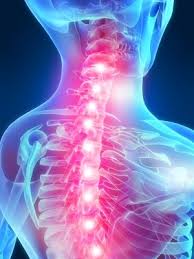
SYMPTOMS FEEL PAIN
Genetic rheumatic symptoms occur, especially starting at the age of 20's, even some who under the age of 20 years. Gradually, this disease will develop, usually until the peak occurs at age 40-45 years.
The main symptoms, lower back pain. "We also have to expect a person suffering from the U.S. if he's the man, because this disease attacks men more than women," said Harry. Comparison of male and female patients of about 8:1.
"Patients with this disease are young men around 20 years old who suffered from constant back pain for more than three months," said Harry. The pain is not like the pain from an accident or other factors, such as by lifting weights too heavy. Symptoms also can occur before the age of 16 years, the so-called juvenile ankylosing Spondylitis. This was also experienced by men vie.
The initial symptoms of pain will usually worsen when patients wake up in the morning. Only after a lot of exercise, the pain lessened. "These movements make the stiffness and pain in the waist down. Because, with the move, waist or other parts of the sick was bent." What often happens, pain in the waist is considered as a regular back pain due to accidents, lifting heavy loads, or pinched nerve. In fact, "There have been people who perform the operation because he thought the pain was due to pinched nerve."
Pain in the hip caused by a condition called entesopathy, which is inflammation of the ligaments attach to the spine. Ligaments function to connect the two vertebrae. When inflammation occurs long enough, there will be new bone formation, and two vertebrae may be joined. This unification process is slow, and each year will be repeating the merging of two vertebrae.
"This process occurs from the waist to neck. Starting at the age of 20, and gradually, as the patient's age was 40 years old, a segment will be merged. Penyatuannya process like bamboo tree, "said Harry.
Vertebrae together will result in the patient is difficult to move the body. As a result, it became difficult to bend. And if it is bent, difficult to enforce return. Or if the neck is attacked, turned into a job that was almost impossible.
"To see the entire body must come to move," said Harry. In fact, the weight level, the patient's body will be bent like a comma punctuation mark. People could not sleep on her back because her "curved," and forced to sleep on his side.
In addition to the waist pain, arthritis can also attacked the genetic peripheral joints, the central joints in the spinal cord of man. This peripheral joints are the knees, fingers, toes, elbows, too. This condition is attacked 20 percent of the total number of patients.
"The most frequently attacked are ankles, knees, hips, and shoulders. Usually the patient complains of pain is also part of that, "said Harry. There is a possibility, pain in the waist and peripheral joints was also accompanied by another disease that attacks the eyes, skin, gastrointestinal tract, and other variants. (Nova / Bestantia)
squat toilet is healthier than seat toilet ?
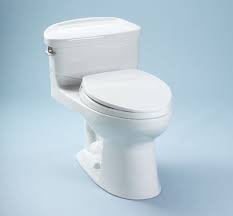
Bladder dysfunction may actually be reduced in various ways. One of them by reducing the consumption of beverages containing caffeine, alcohol, and drugs.
"Caffeine is a substance that can boost heart rate and increased urine production," said Mulyadi Tedjapranata, Medizone Clinic physicians in Apartment Taman Kemayoran, Central Jakarta.
According to Mulyadi, urinary disorders prevention efforts could be true as early as possible. Some ways you can do is get used to not resist the urge to urinate. For the kids, doing exercises urinating or even toileting assistance was to be done since the children aged below five years old or a toddler.
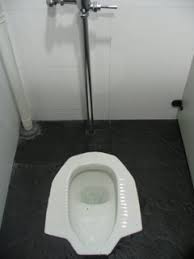
Another effective way is to avoid the use of the toilet seat. The use of the toilet seat in the long run will increase the risk of urinary tract infection that can lead to urinary problems. Because the surface of the toilet is generally to mediate the spread of germs. The use of squat toilets are even more better.
The reason is, this will make users not in direct contact with the surface so that more hygienic toilets. "Moreover, if you frequently use public toilet facilities, better squat toilets," he said.
Not only that, the use of the toilet seat also makes muscles of the urinary tract to work harder when twitched or remove the urine. In the mild stage, urinary tract infections are usually marked with Anyang-anyangan or discharge of urine which was completely, lower abdominal pain, and pain at the end of urination.
This condition would interfere with our activities. In fact, if allowed to go on, it can cause urinary tract infections, psychosocial disorders such as depression and sleep disorders. (KONTAN / Herlina Kartika Dewi)
the most expensive disease
Medical expenses each year almost all diseases are increasing. But among all types of diseases that cost was very expensive. 10 Avoid this sickness if you do not want to fall in poverty.
As quoted in Forbes, Wednesday (16/12/2009), there are 10 diseases with the highest costs in the United States.
1. Mental illness
Increased costs per year 6 per cent. The total cost of handling this disease in the United States has reached U.S. $ 142.2 billion.
Including mental illness is Alzheimer's, Parkinson's, Schizoprenia, depression and others. Recent drug development and the long healing process makes this disease a disease with the highest medical costs among all the existing diseases.
2. Heart disease
Increased cost-per-year 5 per cent. The total cost of handling this disease in the United States has reached U.S. $ 123.1 billion.
Heart disease remains the number 1 killer disease in the world. This is because more and more people who smoke and increasing unhealthy lifestyle such as high cholesterol foods and lack of exercise.
3. Trauma
Increased costs per year 6 per cent. The total cost of handling this disease in the United States has reached U.S. $ 100.2 billion.
Medical expenses of people affected by the trauma continues to increase because each case different ways of treatment. Also tools to diagnose this disease such as Computed tomography scans are expensive enough.
4. Cancer
Increased cost-per-year 7 per cent. The total cost of handling this disease in the United States has reached U.S. $ 99.4 billion.
Cancer treatment costs are most expensive colon cancer, breast cancer, lung cancer and prostate cancer. A key part of avoiding this disease is by avoiding smoking and maintaining a healthy food intake.
5. Phthisis
Increased costs per year 6 per cent. The total cost of handling this disease in the United States has reached U.S. $ 64.6 billion.
Which include lung diseases including asthma, emphysema (swelling or inflammation of the lungs) and Chronic diseases obstructive pulmonary disease (COPD) others.
6. Hypertension (high blood pressure)
Increased cost of 9 percent per year. The total cost of handling this disease in the United States has reached U.S. $ 50.2 billion.
This disease requires significant costs because many doctors who prescribe the amount of unsparing in his patients. Drug quality also determines the price. If hypertension is made generic drugs may cost this disease can be suppressed.
7. Osteoarthritis (arthritis / rheumatism)
Increased cost-per-year 8 per cent. The total cost of handling this disease in the United States has reached U.S. $ 48 billion.
Obesity and an enlarged waist size is a factor that increases the risk of this disease. Expensive drugs such as Vioxx and Celebrex that emerged in early 2000 to add expensive arthritis cure this. In 2004, Vioxx, withdrawn from the market because the risk of triggering a heart attack.
8. Back pain
Increased cost of 9 percent per year. The total cost of handling this disease in the United States has reached U.S. $ 40.1 billion.
Expenditures for these diseases was spent for operations. There are also drugs that are expensive narcotic (drug) to overcome this disease. But a study published in the Journal of the American Medical Association, said that all the expensive treatments that did not make a person better.
9. Kidney disease
Increased cost-per-year 13 per cent. The total cost of handling this disease in the United States has reached U.S. $ 35.9 billion.
The discovery of dialysis techniques for patients with kidney disease makes it an expensive disease management. Dialysis technique is the first technology that is very expensive to handle kidney disease.
10. Diabetes
Increased cost-per-year 8 per cent. The total cost of handling this disease in the United States has reached U.S. $ 35.8 trillion.
Nearly 24 million Americans affected by diabetes and obesity triggers are highest. Diabetes could trigger other diseases such as heart disease and cancer. However, because the diseases were different back treatments, the diabetes itself does not take a higher cost of heart disease or cancer.
brain is able to feel the others person's pain
Have you ever felt as if the pain is being felt someone else? Your feelings may be right. A study using brain imaging to show, some people have the ability to feel the pain suffered by others.
By using brain imaging techniques MRI (magnetic resonance imaging), researchers from the UK found evidence that people who say they experience pain as other people in fact do so.
MRI examination of the unknown, the brain activity that serves the pain increases when people are watching other people in pain or injured. The ability to feel pain is referred to as functional illness.
"People who have functional pain experience pain even though he was not physically injured or illness," said Dr Stuart Derbyshire of the University of Birmingham, one of the researchers in this study.
Derbyshire henceforth study to determine whether people who are able to feel pain also have a functional response as if he saw pictures of people injured.
In his research he asked 108 volunteers to watch some of photographs of people in pain situations, such as athletes who suffered injuries during the game or the person being injected. Nearly a third of participants admitted they were not only experiencing emotional reactions but also feel the pain as seen in the picture.
Based on the MRI finding out whether the changes in blood circulation in the brain and the brain areas that respond to pain are also more active when respondents looking at photos of people in pain situation. Also note also that the functional brain activity in terms of emotion seemed more active.
"We feel the results of the study was a proof enough that some people do feel a physical reaction when watching someone else get hurt or in pain," said Derbyshire.


Please consider my friends's sites
-
-
Hello World9 years ago
-
UPDATE APLIKASI SAS 16.0.79 years ago
-
-
Komunitas Aeromodelling Dumai (KAD)13 years ago


